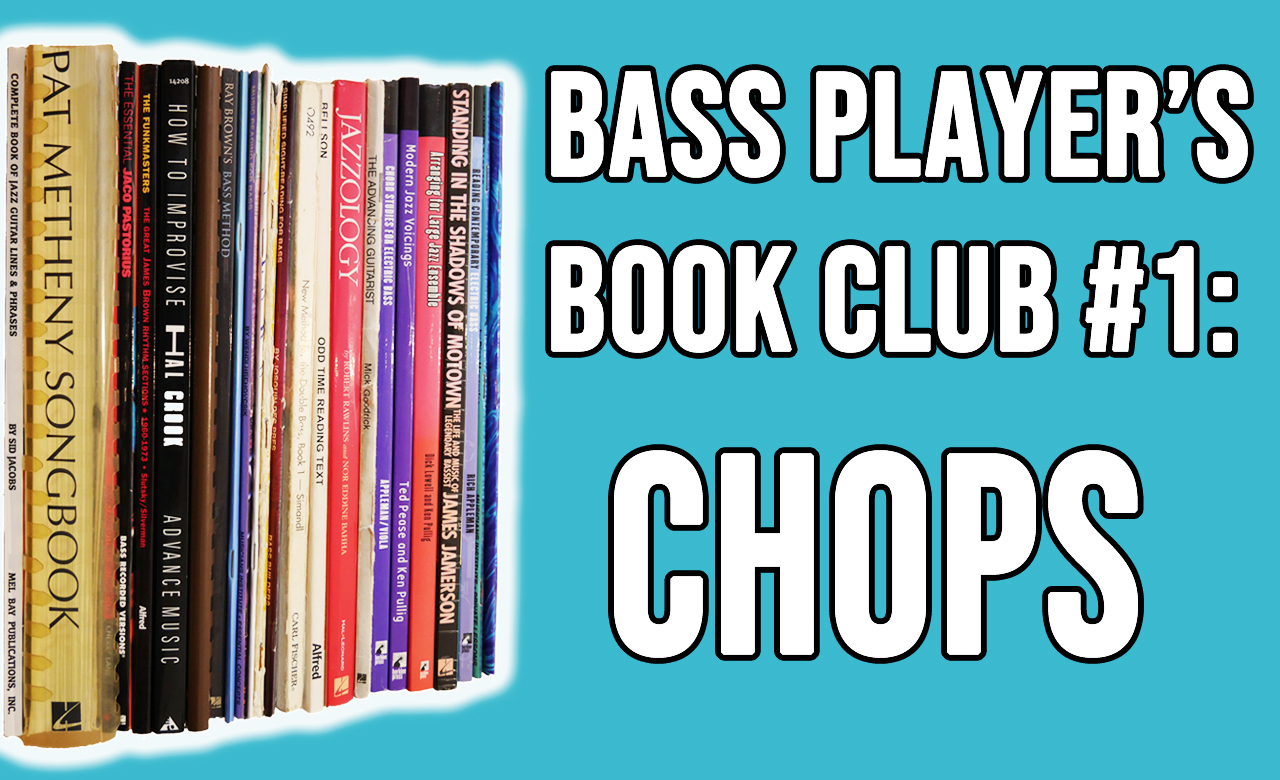
The Bass Player’s Book Club #1: Chops
I’m a musical self-improvement addict, a condition which has manifested itself in my tendency to buy – and hoard – tons of books, instructional videos (including some very dubious Hot Licks VHS tapes) and apps in the hope of getting my playing to sound the way that I want it to. I use each one for approximately 3 days before feeling the need to try something different, hoping that this one will somehow revloutionise my playing.
Solid advice? or snake oil?
The problem is that not all books are created equal; some are life-changing, some are mediocre, others are terrible. This series will take a detailed look at a handful of books that have had the greatest positive impact on my playing over the last 18 years; I’ll be covering a range of areas, including technique, reading, music theory, ear training and improvisation.
But before we get to the good stuff, I thought it’d be actually more valuable to look at the worst offender – the book that’s proved to be the biggest waste of time and that I’d urge everyone to avoid at all costs; it also ties in with many things that I’ve seen in bass education that upset me because they’re not only irrelevant but also potentially damaging (both musically and physically).
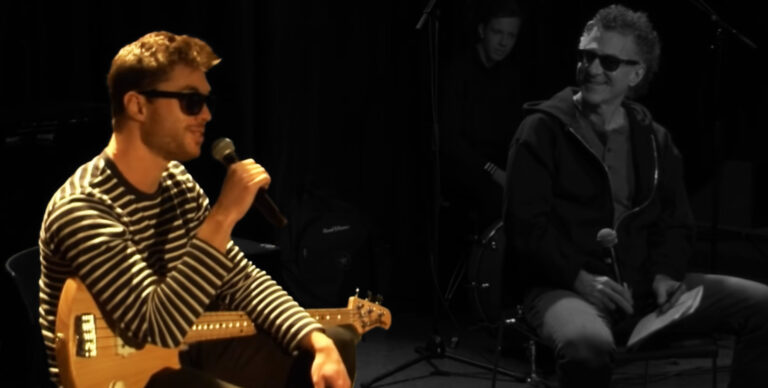
This video covers:
- The book that I feel actually hindered my musical development rather than helping it
- How to sniff out BS in bass education (and how to spot if a teacher is a witch…)
- What you should be practising in order to develop your musicianship (hint: it’s not technique)
- How to organise your fretting hand in a safe, secure and musical manner according to what you’re playing and where you are on the neck
There’s also a PDF of all of the exercises that I demonstrate in the video available here:
Music, Not Chops